







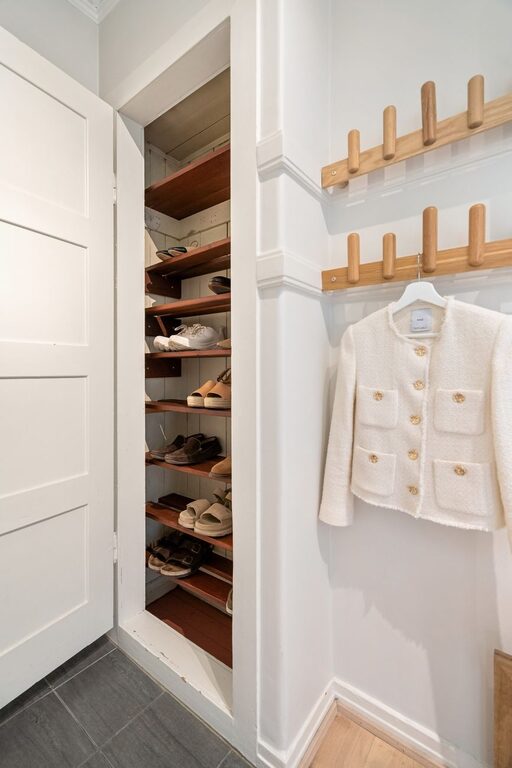
Your entryway is the first area you see when you come home and the first impression guests receive. It can also become a busy drop zone for shoes, coats, bags, mail, and keys. With a few simple changes, you can make this space more practical, attractive, and easier to maintain.
The best entryway organization system does not need to be expensive or complicated. It simply needs to give everyday items a clear home. Whether you have a large foyer or a narrow hallway, these ideas can help you create a tidy and welcoming entrance.
Start by Clearing the Space
Before adding baskets, hooks, or furniture, remove everything from the entryway. Place the items in groups, such as shoes, outerwear, mail, bags, and miscellaneous objects.
This makes it easier to see what you actually need to store. It also prevents you from organizing items that belong somewhere else.
As you sort, ask yourself:
– Do I use this item regularly?
– Does it belong near the entryway?
– Is it damaged or no longer useful?
– Does another item serve the same purpose?
Return misplaced items to their proper rooms, recycle unwanted papers, and set aside anything that can be donated or repaired. A less crowded space is much easier to organize.
Create a Drop Zone
A drop zone is a small, designated area for items you carry in and out each day. It may include a tray, a few hooks, or a small shelf.
Common drop zone items include:
– Keys
– Wallets
– Sunglasses
– Bags
– Pet leashes
– Reusable shopping bags
A small tray on a console table can keep keys and other small objects together. If you do not have room for a table, use a wall-mounted shelf or a narrow organizer. The goal is to make the correct storage spot easy to reach.
Keep the drop zone limited to everyday essentials. If it becomes a place for unopened packages, random receipts, and other clutter, it will quickly lose its purpose.
Use Wall Space for Coats and Bags
Wall-mounted hooks are one of the easiest ways to organize an entryway. They take up little floor space and keep coats, hats, scarves, and bags within easy reach.
Install hooks at a comfortable height for the people who use them. If children use the entryway, add a lower row of hooks so they can hang their own coats and backpacks.
For a cleaner look, avoid filling every hook. Leave a little open space so the area does not appear crowded. You can also assign each household member a specific hook or use labels to make the system simple for everyone.
If you prefer a more streamlined appearance, consider a coat rack or a storage cabinet with doors. These options hide everyday items while keeping them accessible.
Give Shoes a Clear Home
Shoes are often the main source of entryway clutter. Start by deciding how many pairs should stay near the door. Keep only the shoes used frequently in this area, and store seasonal or special-occasion footwear elsewhere.
Useful shoe storage options include:
– A low shoe rack
– Open cubbies
– A storage bench
– Stackable shoe boxes
– A slim cabinet
– Baskets for slippers or sandals
A bench with storage underneath can serve two purposes. It provides a place to sit while putting on shoes and creates space for baskets or shoe compartments.
To keep the floor clean, place a washable mat near the door. In wet or snowy weather, a boot tray can protect the flooring and contain water or dirt. Choose a size that fits the space without blocking the walkway.
Add Baskets for Small Items
Baskets are useful for items that do not need to be displayed. They can hold scarves, gloves, hats, umbrellas, or reusable bags while keeping the entryway looking neat.
Choose one basket for each category instead of placing everything in a single container. For example, one basket might hold winter accessories, while another stores shopping bags. This makes it easier to find what you need.
If several people share the entryway, individual baskets can help prevent personal items from spreading across the room. Label the baskets if necessary, especially when organizing a busy household.
For a small entryway, select baskets that fit under a bench or on a shelf. This keeps the floor open and makes cleaning easier.
Organize Mail and Paperwork
Mail can quickly turn an organized entryway into a cluttered one. Create a simple system for handling it as soon as it comes inside.
A wall-mounted file holder can separate incoming mail from items that need action. You can also use a small letter tray on a console table. Keep the system limited to a few categories, such as:
– To sort
– To respond
– To recycle
Review the mail regularly and recycle unwanted envelopes, flyers, and packaging. Avoid allowing papers to pile up for weeks. A quick daily check can prevent a larger cleanup later.
If you prefer to keep paperwork away from the entrance, use a small basket as a temporary collection point and sort it in another room.
Make Use of Narrow Spaces
A small entryway may not have room for a full console table or large cabinet. In that case, look for storage that uses vertical space.
Consider these options:
– A narrow wall shelf
– Slim hooks
– A tall, shallow cabinet
– An over-the-door organizer
– Floating shelves
– A mirror with a hidden storage compartment
Measure the area before buying anything. Be sure drawers and doors can open without blocking the walkway. In narrow spaces, furniture with a small depth can provide useful storage without making the area feel cramped.
Use Labels and Simple Categories
Labels can make an entryway system easier to follow. They are especially helpful for baskets, cubbies, and storage bins.
Use clear categories such as:
– Shoes
– Hats and gloves
– Pet items
– Shopping bags
– School or work items
Keep categories broad enough to be useful. Too many labels can make the system harder to maintain. The best organization method is one that takes only a few seconds to use.
Add a Mirror and Practical Lighting
A mirror can make an entryway feel larger and gives you a convenient place to check your appearance before leaving. Choose a wall-mounted mirror if floor space is limited.
Good lighting is equally important. If the area feels dark, add a table lamp, wall light, or brighter ceiling bulb. A well-lit entryway is more inviting and makes it easier to find keys or notice items left on the floor.
You can also add a small decorative item, such as a plant, framed print, or bowl. Keep decorations limited so they do not compete with the storage system.
Establish a Quick Reset Routine
Even the best-organized entryway will become untidy without regular attention. Create a short reset routine at the end of each day or week.
A simple routine might include:
- Return shoes to the rack or cabinet.
- Hang coats and bags on their assigned hooks.
- Move mail to its proper location.
- Put keys and small items in the drop zone.
- Remove anything that belongs in another room.
- Shake out or clean the entry mat as needed.
Ask everyone who uses the space to follow the same process. When each item has a clear home, tidying takes only a few minutes.
Keep the System Flexible
Your entryway needs may change with the seasons. During colder months, you may need extra space for coats, boots, and gloves. In warmer weather, you may use more storage for hats, sandals, and outdoor accessories.
Review the area every few months and adjust the contents. Store items that are out of season in another closet or labeled container. This keeps the entryway focused on what you currently use.
An organized entryway does not have to look perfect. It simply needs to support your daily routine. By clearing clutter, using vertical space, creating designated storage areas, and maintaining a quick reset habit, you can make the entrance to your home more comfortable and functional.