









A living room refresh does not require new furniture, expensive renovations, or a large decorating budget. Small changes can make the space feel brighter, more comfortable, and more personal. By rearranging what you already own and adding a few thoughtful updates, you can create a room that feels new without starting from scratch.
Start With a Simple Reset
Before buying anything, remove items that no longer belong in the room. Clear coffee tables, shelves, and side tables, then place decorations in a temporary storage area. This gives you a better view of the space and helps you decide what should stay.
Use this opportunity to:
– Remove broken or unused items
– Group similar decorations together
– Put away seasonal pieces
– Clean surfaces, lamps, windows, and baseboards
– Note areas that look empty or overcrowded
A clean, uncluttered room often feels refreshed even before any new decor is added.
Rearrange the Furniture
One of the easiest ways to change a living room is to create a new furniture layout. Try moving the sofa to a different wall, turning chairs toward one another, or shifting the coffee table to improve movement through the room.
Keep these tips in mind:
– Leave clear walking paths
– Position seating so conversation feels natural
– Avoid placing all furniture against the walls
– Keep the television from becoming the only focal point
– Make sure tables are easy to reach from seating
If the room feels crowded, remove one small piece of furniture and see how the space changes. Sometimes taking something away makes the entire room feel larger.
Create a More Welcoming Arrangement
A comfortable living room usually has a clear gathering area. Arrange seating around a shared feature, such as a coffee table, fireplace, window, or artwork. If your furniture is pushed far apart, bring it closer together to create a cozier feeling.
You can also make a rough floor plan with paper before moving heavy furniture. Mark the location of doors, windows, and outlets, then test a few layouts on paper.
Refresh Soft Furnishings
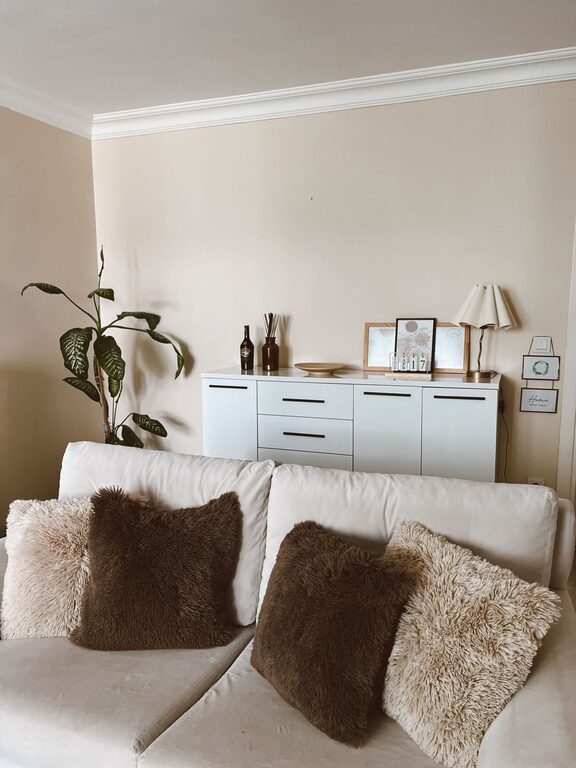
Textiles can quickly change the color and mood of a room. Instead of replacing a sofa or chair, update the items around it.
Affordable options include:
– New pillow covers
– A soft throw blanket
– A washable area rug
– Lightweight curtains
– A fabric table runner
– A slipcover for a tired chair
Pillow covers are especially useful because they take up little storage space and can be changed throughout the year. Choose two or three coordinating colors rather than trying to match every item exactly.
If your room already has many patterns, select solid-colored textiles. If the furniture is mostly plain, add interest with stripes, checks, or simple geometric designs.
Add a Fresh Coat of Paint
Paint can make a significant difference, even when used in a small area. If painting the entire room is not practical, focus on one wall, a fireplace surround, built-in shelves, or the inside of a bookcase.
When choosing a color, consider:
– How much natural light the room receives
– The color of your existing furniture
– Whether you want the room to feel calm, bright, or cozy
– How the new shade will look at different times of day
Sample several colors on poster board or small sections of the wall. Observe them in morning, afternoon, and evening light before making a final decision.
For an even lower-cost update, touch up scuffed areas around door frames, trim, and corners. These small repairs can make the room look noticeably cleaner.
Rearrange and Restyle Your Shelves
Open shelving and bookcases often collect a mixture of books, toys, paperwork, and decorations. Restyling them can give the room a more polished appearance.
Start by emptying the shelves. Then return items in groups, leaving some open space between displays. Combine different heights and textures, such as:
– Books stacked horizontally and vertically
– Small plants
– Framed photographs
– Baskets
– Ceramic pieces
– Candles or decorative boxes
Avoid filling every shelf. Empty space helps important items stand out and prevents the arrangement from feeling crowded. Turn some books with their covers facing outward if you want to add color.
Create Budget-Friendly Artwork
You do not need expensive artwork to give your walls more personality. Look for affordable prints, calendars, postcards, or pages from old books and magazines. Frame a collection of related images for a coordinated look.
Other simple ideas include:
– Framing fabric or wallpaper samples
– Making a basic abstract painting
– Displaying family photographs
– Creating a gallery wall with thrifted frames
– Hanging a woven basket or decorative plate
For a balanced gallery wall, arrange the frames on the floor first. Leave similar gaps between pieces and keep the overall shape roughly centered above the furniture.
Improve the Lighting
Lighting affects how a living room looks and feels. If the room has only one ceiling fixture, add smaller sources of light at different heights.
Consider using:
– A floor lamp beside a sofa
– A table lamp on a side table
– Battery-operated lights inside shelves
– A small reading lamp near a chair
– Warm-toned bulbs for a comfortable atmosphere
You can also refresh an old lamp by replacing the shade or painting the base. Make sure any lampshade is the correct size and does not touch the bulb.
During the day, keep windows clear and use lightweight curtains to make the most of natural light.
Bring in Low-Cost Greenery
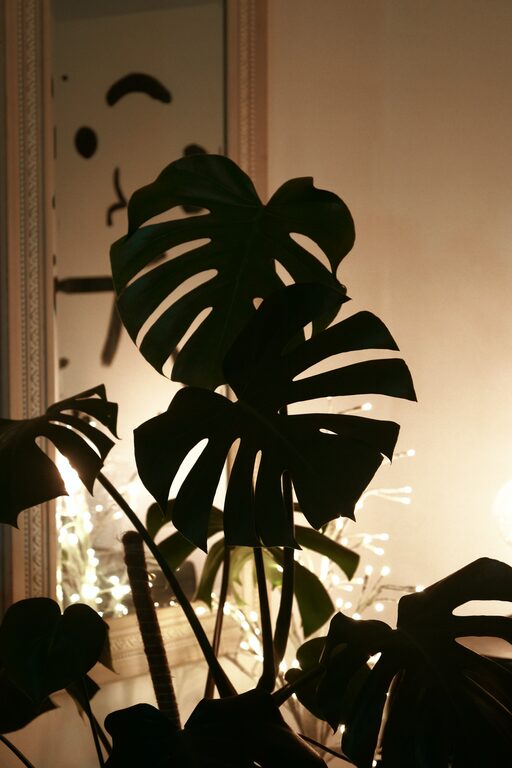
Plants add color and texture while making a room feel more lively. If you already have plants, move them to new locations or group several together on a stand or small table.
Affordable alternatives include:
– Cut branches in a simple vase
– Small potted plants
– Dried grasses
– Low-maintenance greenery
– High-quality artificial plants
Use containers you already own, such as jars, baskets, or ceramic bowls. Place plants at different heights to create a more natural arrangement.
Give Existing Furniture a New Purpose
Before buying new pieces, consider whether current furniture can be used differently. A small stool can become a side table, a low cabinet can serve as a media unit, and a sturdy basket can hold blankets or magazines.
You can also update furniture with minor changes:
– Replace drawer pulls
– Add adhesive wallpaper inside cabinets
– Sand and repaint a small table
– Cover a bench with new fabric
– Add baskets to open shelving
Choose one manageable project at a time. Simple updates are more likely to look polished when they are completed carefully.
Shop Secondhand and Buy Slowly
Thrift stores, yard sales, community marketplaces, and resale shops can be useful sources for affordable decor. Look for items with good shape and practical potential rather than trying to find a complete matching set.
Before purchasing, ask:
– Will it fit the room?
– Does it serve a useful purpose?
– Can it work with what I already own?
– Is it easy to clean or repair?
– Would I still like it if it were not on sale?
Create a short list of what the room truly needs. Buying slowly helps prevent clutter and allows you to choose pieces that suit your style.
Finish With a Personal Touch
The most inviting living rooms reflect the people who use them. Display favorite books, travel finds, handmade items, photographs, or objects connected to meaningful memories.
A budget refresh works best when it combines practical changes with personal details. Start with cleaning and rearranging, then add textiles, lighting, artwork, or greenery as your budget allows. With a few intentional updates, your living room can feel comfortable, fresh, and uniquely yours.