









A dark room can feel smaller, quieter, and less inviting than the rest of your home. Fortunately, you do not need a major renovation to make it feel brighter. A few thoughtful changes to the walls, lighting, furniture, and accessories can reflect more light and create a warmer atmosphere.
Whether the room has small windows, limited natural light, or dark finishes, these simple ideas can help you create a brighter and more comfortable space.
Start With a Light Color Palette
Color has a major effect on how bright a room feels. Light shades reflect more light around the space, while very dark colors tend to absorb it.
White is a classic choice, but it is not the only option. Soft shades can add warmth without making the room feel heavy.
Consider colors such as:
– Warm white
– Pale beige
– Light gray
– Soft blue
– Gentle green
– Cream
– Pale yellow
If the room feels cold, choose a warm white or creamy neutral instead of a bright, cool white. If you want a little color, use a soft pastel on the walls and keep the ceiling white to create a more open feeling.
Paint the Ceiling a Light Shade
A light ceiling helps draw the eye upward and can make the room feel taller. White is often the easiest choice, but a very pale version of the wall color can also create a smooth, relaxed look.
For a small room, painting the ceiling and walls in similar light shades can reduce visual breaks and make the space feel more open.
Add More Layers of Lighting
One ceiling fixture is rarely enough to brighten a dark room. Instead, use several light sources at different heights. This approach creates a more even glow and makes the room feel welcoming throughout the day.
Try combining:
– A ceiling light for general illumination
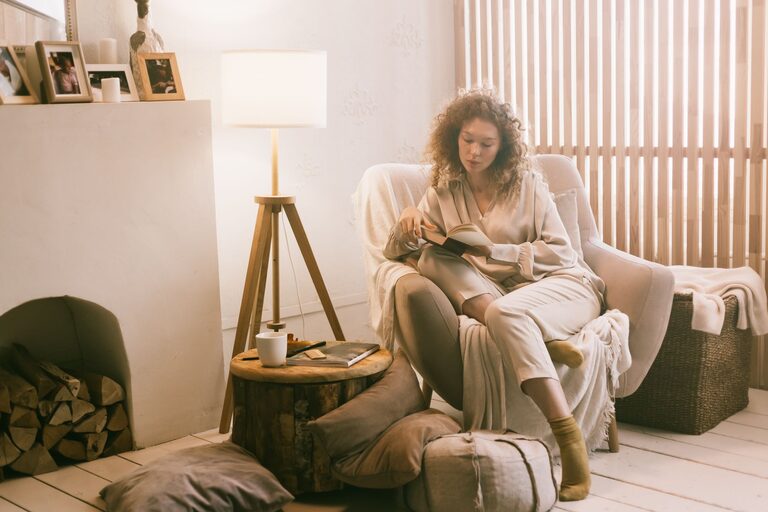
– Floor lamps near seating areas
– Table lamps on shelves or side tables
– Wall lights near artwork or reading spots
– Small accent lights inside open shelving
Place lights in darker corners rather than grouping them in one area. A lamp beside a chair, for example, can brighten a forgotten corner while also creating a useful reading space.
Choose the Right Bulbs
The color of a light bulb affects the mood of the room. Warm white bulbs create a cozy atmosphere, while neutral white bulbs can make a workspace or kitchen feel more energetic.
For living rooms and bedrooms, warm white light is usually a comfortable choice. In work areas, a neutral white bulb may provide a clearer, brighter feel. Check the bulb packaging for brightness information, and choose fixtures that provide enough light for the size of the room.
Use Mirrors to Reflect Light
Mirrors can make a room feel brighter and more spacious by reflecting both natural and artificial light. Place a mirror across from a window if possible, or position one near a lamp to spread light through the room.
You can use:
– One large statement mirror
– A group of smaller mirrors
– Mirrored cabinet doors
– Furniture with subtle reflective surfaces
– A decorative mirror near an entryway
Choose a frame that suits the room’s style. A slim frame keeps the look light, while a wood or metal frame can add warmth and character.
Avoid filling every wall with mirrors. One well-placed mirror usually has more impact than several competing pieces.
Keep Windows Clear
Heavy curtains, crowded windowsills, and large furniture can block valuable natural light. Make the most of your windows by keeping the area as open as possible.
Replace thick, dark curtains with lightweight options such as:
– Sheer panels
– Linen-style curtains
– Light cotton curtains
– Simple roller shades
– Adjustable blinds
If you need privacy, use window coverings that let in light while softening the view. Hang curtains slightly wider and higher than the window frame to make the window appear larger and allow more daylight into the room.
Clean windows can also make a noticeable difference. Dust and smudges reduce the amount of light entering the space, so regular cleaning is a quick and inexpensive improvement.
Choose Furniture With a Lighter Look
Large, bulky furniture can make a dark room feel crowded. When possible, choose pieces with raised legs, open bases, or slim frames. These designs allow more of the floor to remain visible and help light move through the room.
Look for:
– Light wood finishes
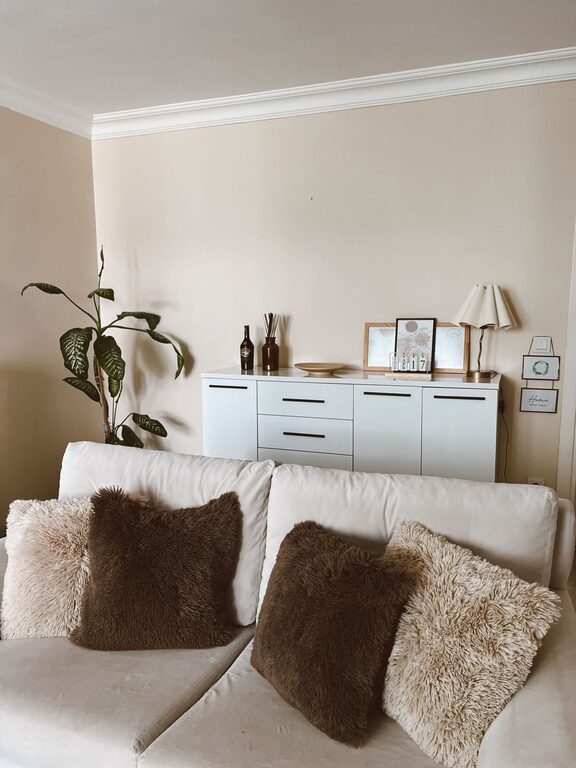
– Pale upholstery
– Glass or acrylic tables
– Open shelving
– Furniture with visible legs
– Simple, streamlined shapes
You do not have to replace every dark piece. Instead, balance heavier furniture with lighter accessories, a pale rug, or a brighter wall behind it.
Arrange furniture so it does not block windows or main light sources. Even a small change in placement can make the room feel more open.
Add a Light-Colored Rug
A rug can brighten the floor and make the entire room feel more inviting. Choose a pale or medium-light color with a subtle pattern if you want to hide everyday marks.
Good options include:
– Ivory
– Beige
– Light gray
– Soft blue
– Natural tan
– Muted patterns with a light background
A rug with texture can add depth without making the room look busy. If the room already contains several patterns, choose a solid or gently textured design to keep the overall look calm.
Use Reflective Finishes Carefully
Glossy and reflective surfaces bounce light around a room. You can introduce this effect with small details rather than covering the space in shiny materials.
Try adding:
– Glass vases
– Ceramic lamps
– Polished metal picture frames
– Satin-finish accessories
– A glossy side table
– Decorative objects with a subtle sheen
Reflective details work best when mixed with softer textures such as cotton, wool, wood, and woven materials. This balance keeps the room bright without making it feel overly formal.
Keep Clutter Under Control
A crowded room can appear darker because objects interrupt the flow of light. Clearing unnecessary items from surfaces and walkways can make the space feel brighter almost immediately.
Start with visible areas such as:
– Coffee tables
– Window ledges
– Open shelves
– Entryway surfaces
– The floor around furniture
Use baskets, boxes, and closed storage to organize smaller items. Leave some open space on shelves and tables so the room feels lighter and less crowded.
Bring in Fresh Greenery
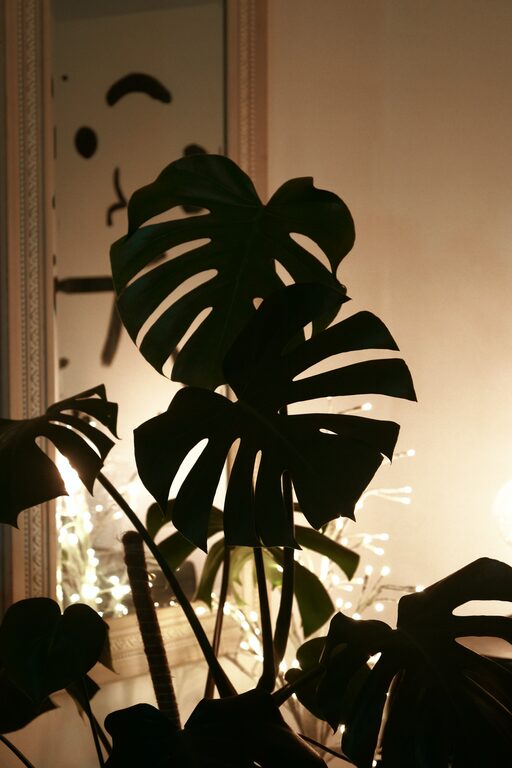
Plants can add life and color to a darker room, even when they are not placed directly in bright sunlight. Choose varieties that suit the available light, and place them near windows or under appropriate indoor lighting.
If the room does not receive enough natural light for live plants, consider high-quality artificial greenery. A simple branch in a light-colored vase can also add height and visual interest without taking up much space.
Use pale or natural planters to support the room’s brighter color scheme.
Finish With Bright Accessories
Small decorative changes can pull the look together. Add a few lighter accessories to create contrast against dark furniture or walls.
Ideas include:
– Cream-colored throw pillows
– A light woven blanket
– Bright artwork
– Pale ceramic pieces
– Light-colored photo frames
– Fresh or artificial flowers
– Decorative books with simple covers
Choose accessories in two or three coordinating shades rather than using many unrelated colors. A limited palette helps the room feel organized and makes the brighter elements more noticeable.
Make Changes One Step at a Time
You do not need to update everything at once. Start with the easiest improvements, such as removing clutter, moving furniture away from the window, changing the curtains, or adding a lamp.
Then consider larger changes, such as painting the walls or replacing a heavy piece of furniture. By combining better lighting, lighter colors, reflective surfaces, and open space, you can make even a naturally dark room feel brighter, warmer, and more comfortable.