










Good lighting can make a home feel welcoming, balanced, and easy to use. It can highlight architectural features, improve visibility for everyday tasks, and create a pleasant atmosphere in the evening. However, choosing comfortable lighting involves more than picking attractive fixtures.
The best lighting plan combines different types of light, uses suitable brightness levels, and considers how each room is used. With a few thoughtful choices, you can make your home both practical and relaxing.
Start With the Three Main Types of Lighting
A comfortable lighting plan usually includes three layers: ambient, task, and accent lighting. Using more than one layer helps prevent rooms from feeling either too bright or too dim.
Ambient Lighting
Ambient lighting provides general illumination throughout a room. It is often the first layer people think about and may come from ceiling fixtures, recessed lights, chandeliers, or wall-mounted fixtures.
Ambient light should make it easy to move around and see the overall space. For the most comfortable result, avoid relying on one very bright light in the center of the room. Instead, spread light across the space with several fixtures or lighting sources.
Task Lighting
Task lighting is designed for specific activities. Examples include:
– A desk lamp for reading or computer work
– Under-cabinet lights for kitchen counters
– A floor lamp beside a chair
– Vanity lights near a bathroom mirror
– A focused lamp for hobbies or crafts
Task lights should illuminate the work area without creating harsh reflections or strong shadows. Adjustable fixtures are especially useful because they let you direct light where it is needed.
Accent Lighting
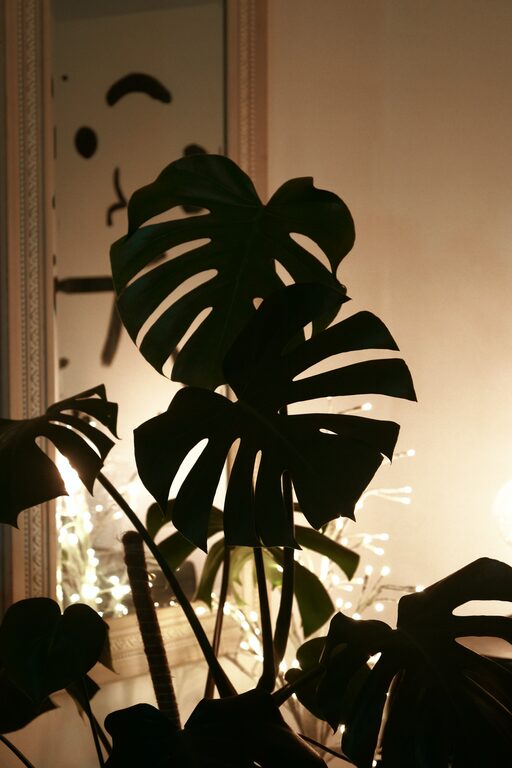
Accent lighting adds visual interest and highlights selected features. It can draw attention to artwork, shelves, plants, textured walls, or architectural details.
Examples include picture lights, track lights, small spotlights, and LED strips. Accent lighting is not essential for basic visibility, but it can make a room feel more layered and inviting.
Choose the Right Color Temperature
Light color affects how a room feels. Bulbs are often described by color temperature, measured in Kelvin. Lower numbers produce warmer, more yellow light, while higher numbers create cooler, bluer light.
For many homes, warm or soft white bulbs are comfortable in living areas and bedrooms. They create a relaxed atmosphere and pair well with wood, fabric, and other cozy materials.
Cooler white light can work well in areas where clarity is important, such as kitchens, laundry rooms, garages, and workspaces. Still, very cool light may feel harsh if used throughout the home.
Consider these general guidelines:
– Warm white: bedrooms, living rooms, dining areas, and entryways
– Neutral white: kitchens, bathrooms, home offices, and hallways
– Cool white: garages, workshops, and utility areas
You do not need to use the same color temperature in every room. However, nearby spaces often look more coordinated when their bulbs have similar tones.
Select Comfortable Brightness Levels
Brightness should match the size and purpose of the room. A small reading lamp does not need the same output as a large kitchen fixture. Too little light can make tasks difficult, while too much light may create glare and make a room feel uncomfortable.
When selecting bulbs, check the brightness in lumens rather than relying only on wattage. Watts measure energy use, while lumens indicate the amount of light produced.
Keep these points in mind:
– Use brighter lighting for work surfaces and areas with detailed tasks.
– Choose moderate lighting for living rooms and dining spaces.
– Use softer lighting for bedrooms and relaxing areas.
– Combine multiple lower-intensity fixtures instead of depending on one powerful bulb.
Dimmable lighting is a flexible option. A dimmer lets you adjust brightness for different times of day and activities. Before installing one, make sure the dimmer, fixture, and bulbs are compatible.
Reduce Glare and Harsh Shadows
Glare is one of the most common reasons lighting feels uncomfortable. It can come from exposed bulbs, reflective surfaces, or fixtures positioned directly in your line of sight.
To reduce glare:
– Choose fixtures with shades, diffusers, or frosted covers.
– Avoid placing bare bulbs where they are easy to see from seating areas.
– Position desk and reading lamps slightly to the side rather than directly in front of you.
– Use curtains or blinds to balance strong daylight.
– Select matte finishes for surfaces that reflect a lot of light.
Shadows can also affect comfort. A single overhead fixture may cast shadows under cabinets, shelves, or your hands while working. Add task lighting from another direction to create more even illumination.
Plan Lighting Room by Room
Each room has different lighting needs. Thinking about daily routines makes it easier to choose useful fixtures.
Living Room
Living rooms usually benefit from a combination of ceiling lights, floor lamps, table lamps, and accent lighting. Use several sources at different heights to create a balanced atmosphere.
A floor lamp beside a sofa can support reading, while a table lamp can add soft light to a side table. If the room has artwork or shelving, a small accent fixture can provide extra character.
Kitchen
Kitchens need clear task lighting for counters, sinks, and cooking areas. Under-cabinet lights are especially useful because overhead fixtures can leave shadows on work surfaces.
Pendant lights can provide both style and practical illumination over an island or breakfast bar. Make sure they are positioned high enough to avoid blocking views or becoming a distraction.
Bedroom
Bedrooms often work best with gentle, adjustable lighting. Bedside lamps are useful for reading and provide a softer alternative to turning on the main ceiling fixture.
Consider fixtures with shades that direct light downward or diffuse it throughout the room. Dimmers can also help you move easily from brighter morning light to a calmer evening setting.
Bathroom
Bathrooms need clear lighting around the mirror, particularly for grooming tasks. Lights placed on both sides of the mirror can reduce shadows more effectively than a single fixture above it.
Choose fixtures rated for the appropriate bathroom location, and follow local safety requirements when installing lighting near water.
Home Office
A home office needs focused, even light. Place a desk lamp where it does not create reflections on a monitor or cast a shadow across your workspace.
If possible, position the desk near natural light while avoiding direct glare on the screen. Adjustable lamps make it easier to change the direction and intensity of light during the day.
Make Use of Natural Light
Natural light can improve the feel of a room and reduce the need for electric lighting during the day. Arrange furniture so windows remain as open as possible, and use light-filtering window treatments when you want to soften strong sunlight.
Mirrors and pale wall colors can help spread daylight through a room. However, avoid placing mirrors where they reflect bright sunlight directly into seating areas or screens.
A good lighting plan should work with natural light rather than compete with it. Notice how each room changes from morning to evening, then add fixtures where the space becomes too dark.
Consider Energy Use and Maintenance
LED bulbs are a practical choice for many homes because they use less energy and generally last longer than traditional incandescent bulbs. They are available in many shapes, brightness levels, and color temperatures.
Before buying a bulb or fixture, check:
– Bulb size and base type
– Maximum wattage allowed by the fixture
– Dimming compatibility
– Color temperature
– Brightness in lumens
– Suitability for damp or enclosed locations
Keep spare bulbs in common sizes, and clean shades and fixtures regularly. Dust can reduce the amount of light and make fixtures look dull.
Test Your Choices Before Buying in Bulk
Lighting can look different depending on wall colors, furniture, ceiling height, and natural daylight. If possible, buy one bulb or fixture first and test it in the intended room.
Check the light at different times of day. Ask yourself:
– Does the room feel bright enough?
– Are there distracting reflections?
– Does the light color work with the room’s furnishings?
– Can you adjust the brightness when needed?
– Are work surfaces evenly lit?
Small changes, such as switching a bulb, adding a lamp, or changing a shade, can make a noticeable difference.
Comfortable home lighting comes from balance. Combine ambient, task, and accent lighting, choose color temperatures that suit each space, control glare, and use dimmers where practical. By considering how your home is used throughout the day, you can create lighting that is functional, welcoming, and easy to live with.